
Comprehensively Improve Hygiene Management in the Meat Processing Industry
Food is the paramount necessity of the people, and safety is the top priority of food. As a key epidemic prevention barrier for personnel entering production workshops, locker rooms are a core link in preventing cross-contamination and ensuring product quality in the meat processing industry, which is directly related to food safety. To strictly implement hygiene standards for food production and strengthen source control, the industry has fully implemented standardized clothing changing procedures and refined management measures to build the first line of defense for food safety.
At present, meat processing enterprises strictly follow the principles of one-way flow, zoning management and full disinfection, and have established a standardized clothing changing process to eliminate mixed flow of dirty and clean articles and backtracking, fully complying with the requirements of GB 14881.
I. Standardized Full Clothing Changing Process (One-way and Irreversible)
1. Shoe Changing and Storage: Enter the shoe changing area, store personal shoes and work shoes separately, replace with special work shoes and enter the first dressing area.
. First Dressing Area: Changing and Taking off: Remove personal belongings such as jewelry and watches and store them in special lockers; take off casual clothes and keep personal clothes strictly separated from work clothes.
3. Cleaning and Showering: Take a standard shower in the shower room. Only after full-body cleaning can staff enter the second dressing area to remove surface stains and microorganisms.
4. Second Dressing Area: Dressing: Uniformly wear clean work clothes, hairnets, masks, work pants and water boots. All hair must be covered, and mouth and nose fully shielded. Check with dust-sticking paper after dressing.
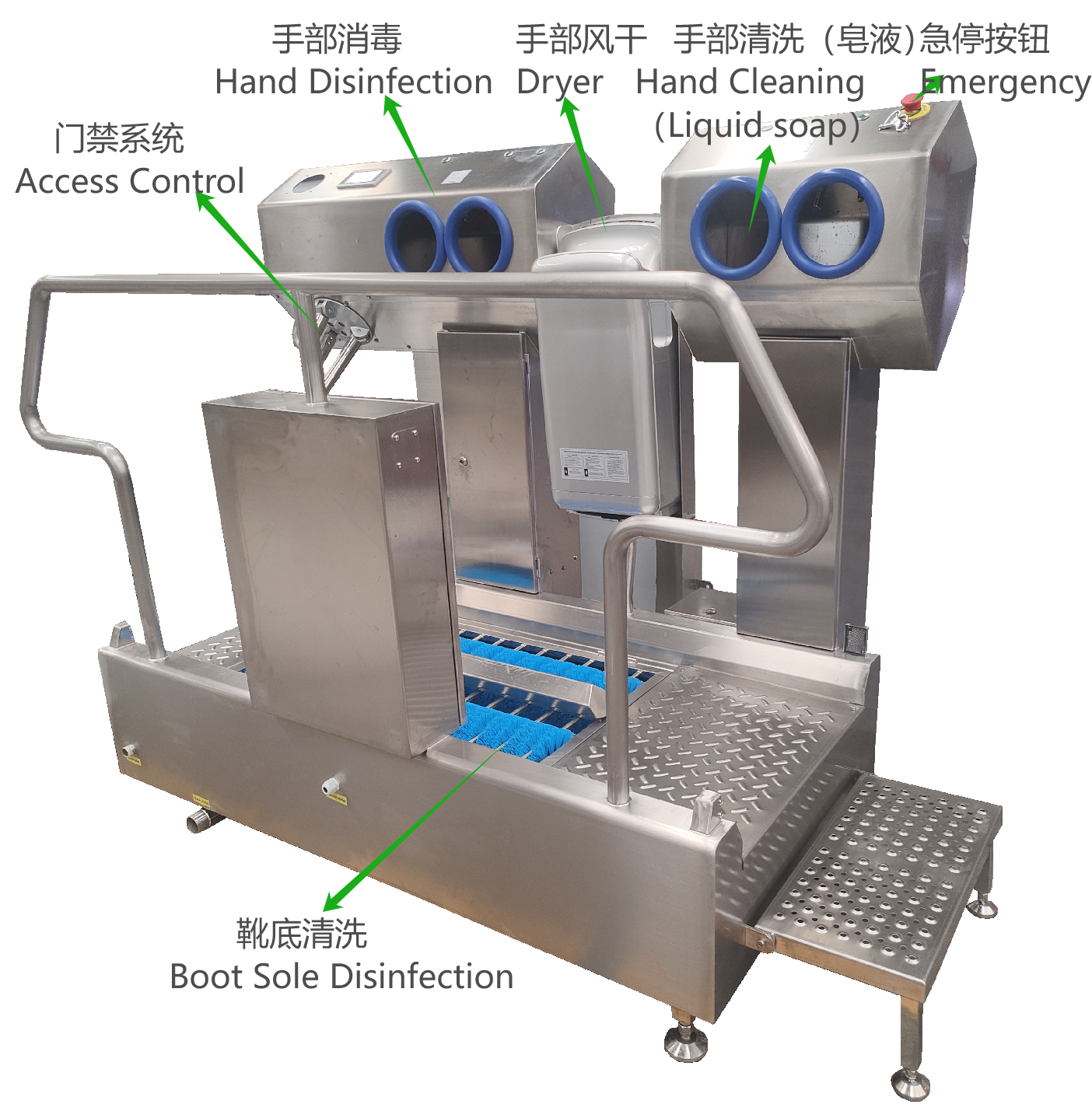
5. Hand Washing and Disinfection: Use contactless facilities, follow the seven-step handwashing method, rinse with running water, dry with disposable paper towels or hot air, and conduct atomized disinfection for hands.
6. Boot Disinfection and Air Shower: Disinfect shoe soles in the disinfection tank, enter the air shower room for circular air shower for more than 15 seconds to blow off dust and impurities before entering the production workshop.
7. Departure Procedure: Take off work clothes in reverse order after work. Uniformly recycle, clean and disinfect work clothes. It is strictly prohibited to take work clothes out of designated areas.
II. Industry Management Improvement Suggestions
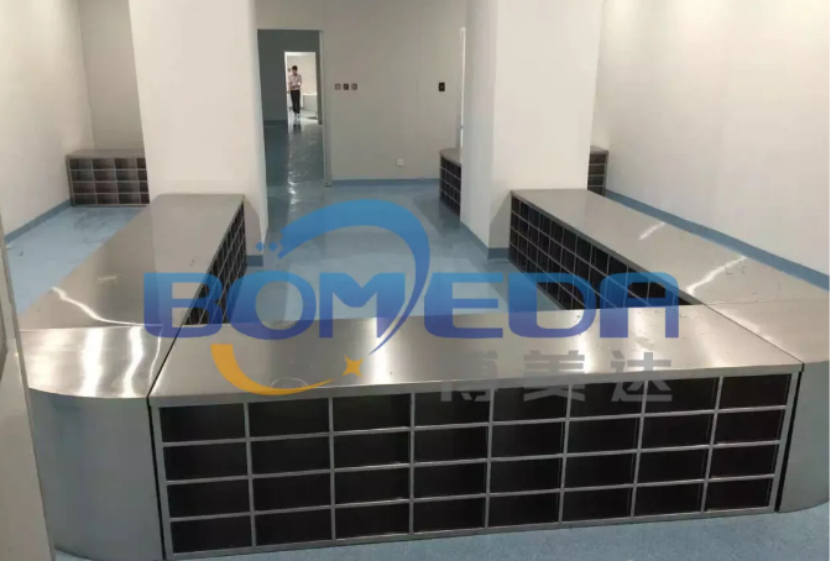
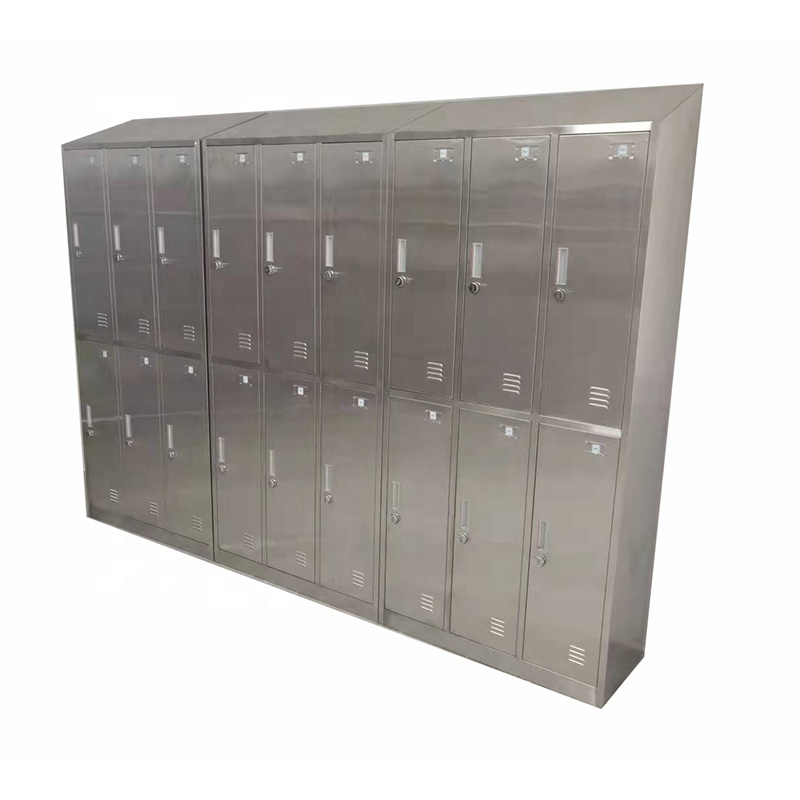
1. Hardware Standardization: Physically separate locker rooms with independent areas for first dressing, showering, second dressing, disinfection and air shower. Equip with inductive faucets, constant-temperature water supply and automatic disinfection equipment. Lockers shall be made of corrosion-resistant and easy-to-clean materials.
2. Refined System: Implement a special person responsibility system, clarify procedures for clothing changing, disinfection and cleaning. Use special work clothes in different zones and clean and disinfect them daily. Prepare and test disinfectants regularly to ensure qualified concentration.
3. Personnel Standardization: Conduct pre-job training for all staff and take posts only after passing assessment. It is strictly prohibited to bring personal belongings into clean areas. Disinfect hands regularly during work and repeat clothing changing and disinfection after using the toilet.
4. Regular Supervision: Post process diagrams, set inspection mirrors and strengthen on-site inspection. Carry out regular self-inspection and third-party testing for hygiene, and timely rectify potential risks.
5. Zoned Differentiation: Mark and classify work clothes for staff in clean areas and semi-clean areas. Prohibit cross-regional use to reduce the risk of cross-contamination.
Next, the whole industry will continue to fulfill the main responsibility of hygiene management, take the construction of standardized locker rooms as the starting point, refine operations, implement strict control and closed-loop management, comprehensively improve the standardization level of the industry, ensure safe, high-quality and reliable meat products, and protect public health.
Post time: Mar-10-2026